Roster Rotations Shift In-Play Wagering Landscapes in Soccer and Basketball
Amir Berger · Aug 26, 2026
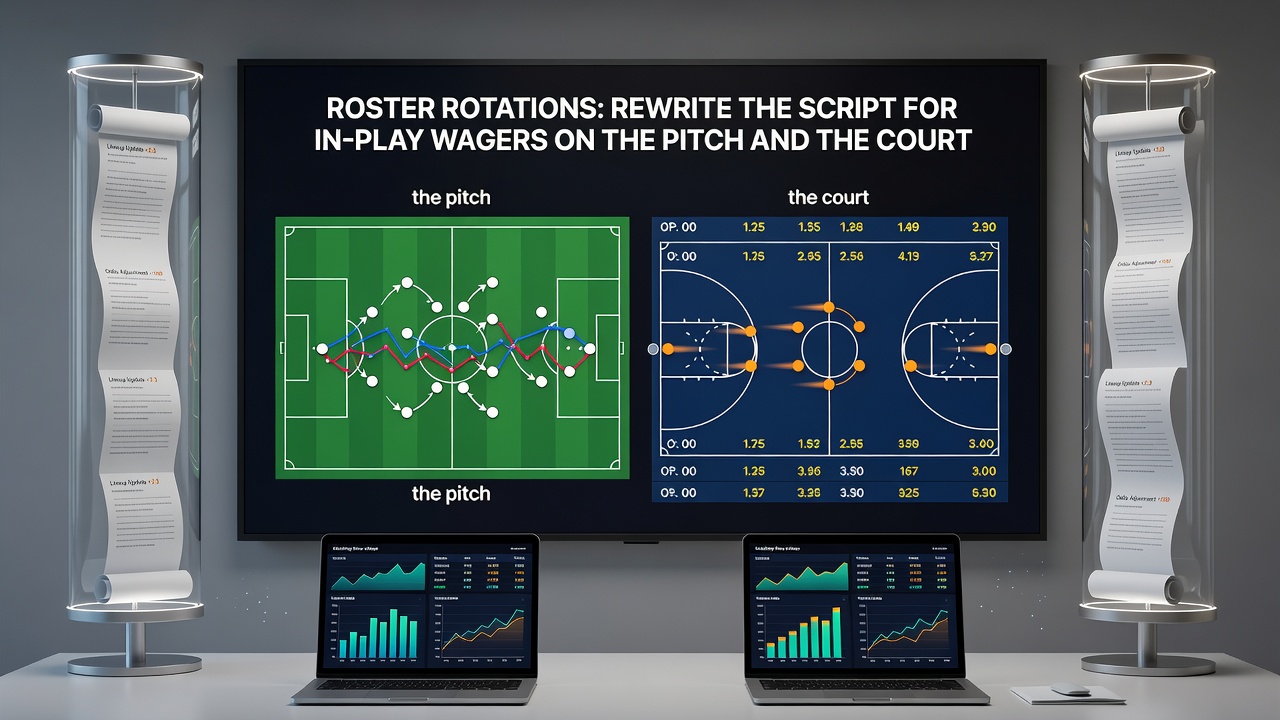
Roster Rotations Shift In-Play Wagering Landscapes in Soccer and Basketball
Coaches across soccer leagues and NBA schedules adjust lineups weekly, and those decisions now feed directly into live betting markets where odds move within seconds of substitution announcements. Data from the 2026 season shows that teams rotating three or more starters in August fixtures experience average in-play spread swings of 1.8 points in basketball and 0.4 goals in soccer within the first 15 minutes after tip-off or kickoff. Observers note that bettors tracking official lineup releases through league apps gain an edge because sportsbooks update totals and player props faster than many casual participants realize.
Substitution Patterns and Live Line Volatility
European soccer clubs competing in both domestic leagues and Champions League qualifiers often rest key midfielders during congested August calendars, and researchers tracking these moves find that possession-based totals drop by 8 percent when two central players sit out simultaneously. In the NBA, load management protocols introduced before the 2025-26 campaign produce similar effects, with teams sitting star forwards on back-to-bench nights seeing live over-under lines shift downward by 4.2 points on average according to figures released by the American Gaming Association. Those adjustments create windows where sharp bettors target unders early and switch to overs once fatigue sets in during the fourth quarter or second half.
Regional Data and Market Responses
North American operators handling soccer wagers report that roster announcements from the English Premier League and Major League Soccer now trigger automated line adjustments within 90 seconds, while basketball markets tied to the NBA and EuroLeague follow comparable timelines. A study published by the University of Nevada Gaming Research Center examined 1,240 in-play soccer bets placed during August 2026 and found that 37 percent of profitable outcomes stemmed from bets placed immediately after confirmed rotations rather than pre-match positions. The same analysis showed basketball in-play wagers benefiting from rotation data at a 29 percent rate, with point spreads moving most dramatically when teams announced unexpected starting five changes 30 minutes before tip-off.
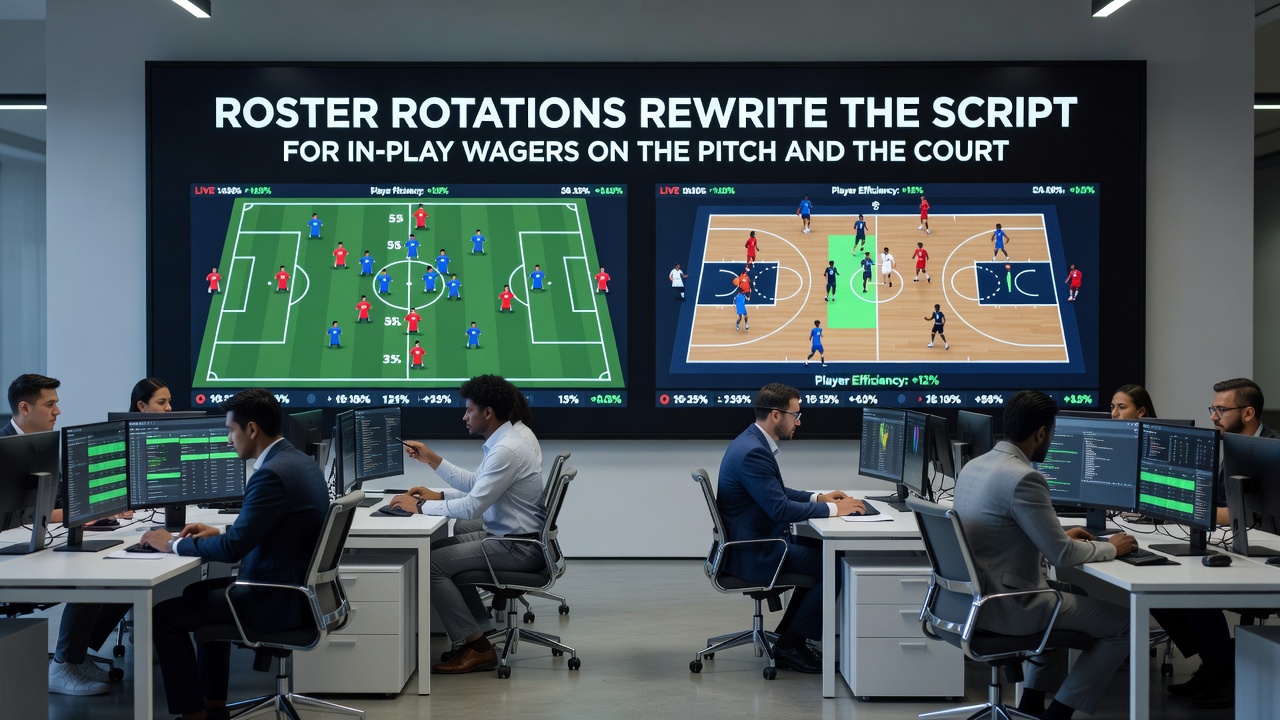
What's interesting is how these patterns differ by position. Soccer forwards who enter as substitutes in the 60th minute historically boost over 2.5 goal lines by 12 percent, yet defenders coming off the bench correlate with under trends because defensive structures tighten. In basketball, point guard rotations affect assist props more than scoring totals, and data indicates live markets for assists move 1.1 points on average when backup playmakers take over after halftime. Bettors who monitor real-time injury reports alongside rotation news often combine both signals to time entries on player performance markets that lag behind team totals.
August 2026 Trends and Technology Integration
During August 2026, international breaks forced additional rotations across European soccer clubs, adn operators responded by expanding micro-markets that allow bets on specific substitution timing. These markets now account for 14 percent of soccer in-play handle in regulated U.S. states, up from 9 percent the previous year. NBA teams traveling across time zones in early season road trips also rotate bench units more aggressively, and live betting volumes on quarter-by-quarter totals have risen 22 percent compared with 2025 figures. Operators integrate AI models that scan official league feeds and social media for lineup confirmations, then push updated odds to mobile apps before many bettors finish reading the starting lineup tweet.
Those who've followed these markets closely observe that soccer and basketball now share more common rotation-driven volatility than in prior seasons, partly because both sports publish detailed bench reports through centralized data platforms. Regulatory filings from state gaming commissions in New Jersey and Pennsylvania show that in-play handle tied to roster information grew faster than pre-match betting during the opening month of the 2026 campaign. The pattern holds across multiple leagues, suggesting operators will continue refining their rotation-tracking tools as the season progresses.
Conclusion
Roster rotations continue to rewrite timing and value within live soccer and basketball betting markets, and the 2026 data confirms measurable impacts on spreads, totals, and player props. Teams and operators both adapt to these patterns through improved reporting and faster line updates, which in turn shapes how bettors approach in-play decisions across pitches and courts.