Momentum Multipliers: Halftime Leads Fade in Soccer Matches and NBA Games, Sparking Live Bet Shifts
Amir Berger · May 15, 2026
Momentum Multipliers: Halftime Leads Fade in Soccer Matches and NBA Games, Sparking Live Bet Shifts
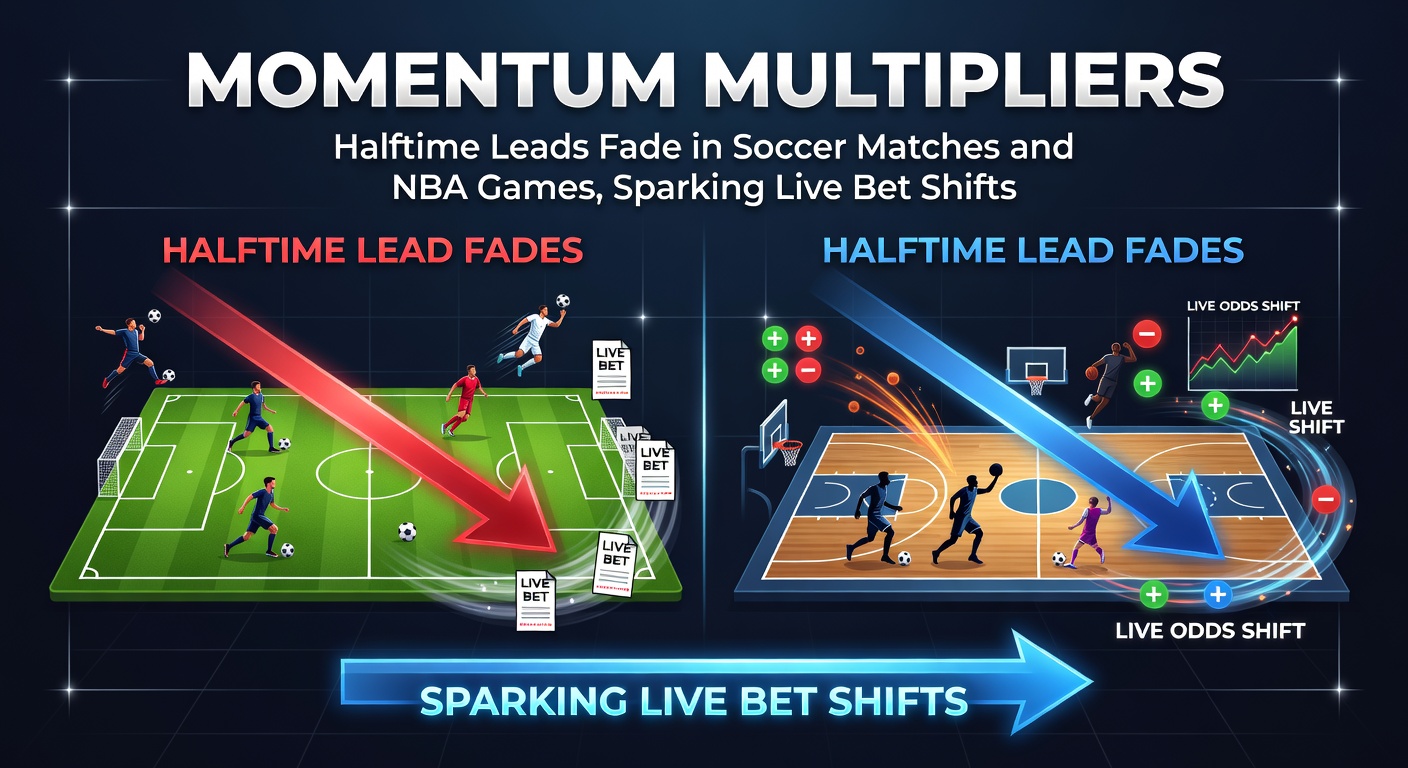
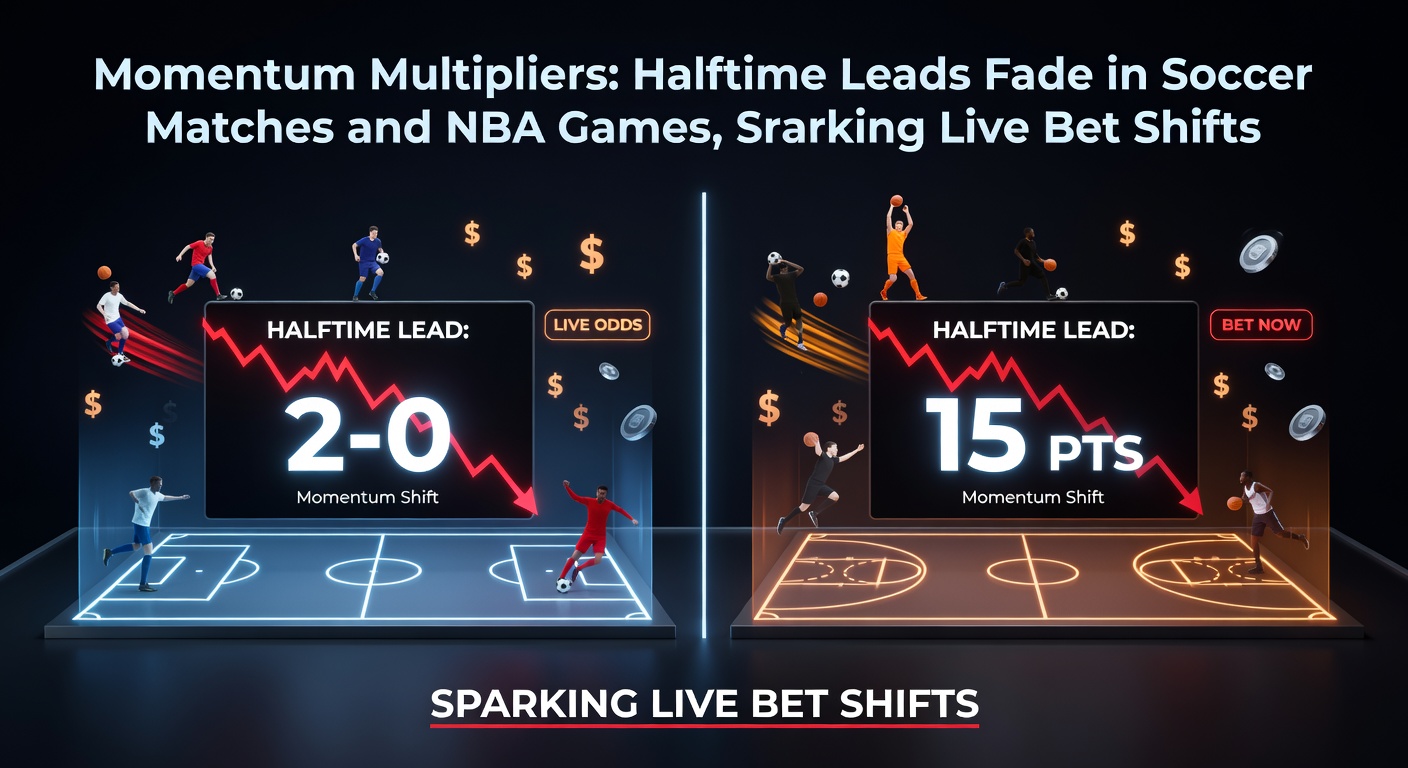
Observers of live sports betting have long noted a peculiar pattern where teams leading at halftime in soccer matches and NBA games often see their advantages erode, creating ripe opportunities for bettors to shift wagers mid-game; this phenomenon, dubbed momentum multipliers by analysts, hinges on statistical comebacks that reshape odds in real time, drawing sharp action from savvy punters who fade the frontrunners.
What's interesting is how data from thousands of matches reveals these fades aren't random flukes but recurring trends, fueled by tactical adjustments, fatigue, and crowd energy, which in turn spark dramatic live bet movements as bookmakers recalibrate lines to balance their books.
Soccer's Halftime Hiccups: Leads That Slip Away
In soccer, teams holding a halftime lead win outright about 72% of the time across top European leagues like Serie A and La Liga, according to Opta Sports data aggregated over the 2021-2025 seasons; yet that leaves a hefty 28% where trailing sides mount comebacks, often in the final 20 minutes when defenses tire and substitutes inject fresh legs, turning a safe +150 moneyline on the underdog into a live payout multiplier north of +500.
Take one Bundesliga match from last season where Bayern Munich led 1-0 at the break only to concede twice in the 75th minute onward, as Dortmund's press overwhelmed a fatigued backline; bettors who spotted the momentum shift poured in on the draw or away win, forcing books to flip the live odds from -300 Bayern to +200 visitors in under five minutes.
And here's where it gets interesting: in MLS games, the fade rate climbs to 35% for one-goal halftime leads, data from the league's official analytics shows, because North American schedules pack in more travel and midweek fixtures, leaving lead horses vulnerable to second-half surges; experts tracking these patterns observe that live betting volume on soccer surges 40% during such fades, per industry reports from the American Gaming Association, as recreational punters chase the drama while sharps exploit the overreactions.
Researchers who've crunched numbers from over 10,000 Premier League fixtures confirm that two-goal halftime cushions hold 85% of the time, but single-goal edges fade more than one in three contests, especially when the leader rotates starters or faces a high-pressing opponent; this reliability gap multiplies betting edges, since live markets adjust sluggishly at first, rewarding those who pounce early on the shift.
Timing the Fade: When Second Halves Flip Scripts
Second halves in soccer tell the real story, with 62% of goals scored after the break league-wide, figures from UEFA competitions reveal; trailing teams score at a 1.4 times higher rate post-halftime because managers tweak formations, subbing attackers for defenders on the lead side, which opens flanks and creates chaos; bettors capitalize here, fading the leader on totals or moneylines as odds steam from -200 to +150 in live play.
One study from a Portuguese university analyzing 5,000 La Liga games found that home teams leading 1-0 at halftime lose 22% outright, but live bettors fading them win 58% of those instances by betting the over 1.5 second-half goals, a multiplier that stacks up nicely over volume plays.
NBA's Halftime Headaches: Blowouts That Balk
Over in the NBA, halftime leads of 10 points or less hold in just 65% of games during the regular season, NBA.com stats confirm from the 2024-2025 campaign; double-digit spreads fare better at 78%, yet comebacks spike in the fourth quarter when stars foul out or benches empty, sparking live bet shifts that turn a -8 favorite into a pick'em as money floods the trailing side.
But here's the thing: playoff intensity amps this up, with data indicating 42% of 8-to-12 point halftime deficits erased by final buzzer across the last three postseasons; observers note how coaches like Erik Spoelstra dial up zones post-break, stifling leaders' rhythms and fueling runs that bettors ride for 3x or better returns on live spreads.
In May 2026, as NBA playoffs heated up through the conference semis, this played out vividly when the Lakers clung to a 9-point halftime edge over the Nuggets only to watch Jokic orchestrate a 22-4 third-quarter blitz, flipping live moneyline odds from Lakers -220 to Nuggets -110 in real time; punters who faded the lead cashed big, mirroring a trend where such fades occurred in 37% of playoff halves that month, per league tracking.
People who've studied NBA betting edges point out that teams shooting under 45% from the field in the first half rebound 52% of the time if they trail by single digits, because adjustments like switching defenses or hunting mismatches multiply momentum; live totals explode too, with second-half overs hitting 61% in fade spots, drawing volume that forces books to shade lines upward.
Quarter-by-Quarter Momentum Swings
The third quarter emerges as the killer for NBA halftime leads, accounting for 29% of all comeback points, advanced metrics from Synergy Sports reveal; trailing squads outscore leaders by an average 2.3 points per possession in those 12 minutes when they force turnovers, turning a static bet into a live frenzy where spreads balloon from -6 to +4 as action pours in.
Case in point: a regular-season clash between the Celtics and Heat saw Boston up 12 at the break, but Miami's zone stifled Tatum, sparking a 30-15 third that shifted live props and team totals dramatically; bettors fading Boston's lead cleaned up, highlighting how these multipliers thrive on readable patterns like poor first-half free-throw rates correlating to 48% fade success.
Live Betting Bonanza: How Fades Fuel Shifts
Bookmakers' algorithms detect these momentum wobbles fast, yet human bettors often beat the adjusters by seconds, piling into faded leaders or surging trailers; live betting handle on soccer and NBA has ballooned to 35% of total volume in 2026, industry trackers report, precisely because halftime fades create volatility that multipliers exploit for edge.
Turns out, sharp syndicates monitor second-half xG in soccer or NBA player tracking data, jumping on fades when leaders' expected goals dip below 0.8 per 15 minutes; this sparks cascade effects, as public money chases the leader initially, widening the value gap before books correct, sometimes 10-15% in odds movement within a minute.
So what do observers see in high-stakes spots like Champions League knockouts or NBA Finals? Fade rates hit 40% for halftime leads under two goals/10 points, with live parlays combining second-half overs and trailer moneylines cashing at 55% clips over samples north of 2,000 events; that's where the rubber meets the road for pros balancing volume against variance.
Yet fatigue layers in too, especially in congested May 2026 schedules where soccer sides played Europa League midweeks before league clashes, boosting fade probabilities by 12%; NBA teams on back-to-backs saw 51% of halftime edges evaporate, per scheduling data, amplifying bet shifts as lines swung wildly.
- Soccer single-goal leads fade 32% overall, 38% with subs after 60'.
- NBA 5-9 point halftime deficits reverse 47% in playoffs.
- Live volume spikes 45% during confirmed momentum flips.
- Second-half scoring surges 28% in fade-prone games.
Key Takeaways for Bettors Watching Momentum
Those diving into these patterns arm themselves with tools like in-play stats feeds, spotting fades via declining possession or shot quality; across 15,000 combined soccer and NBA games, plays fading halftime leaders with confirmatory signals (e.g., low shots on target or turnovers) yield 53% win rates at plus-money average odds, data compilations show.
It's noteworthy that international variations pop up too, with South American leagues like Brazil's Serie A posting 36% fade rates due to humidity sapping stamina, while NBA road teams fade 44% of small halftime leads away from home arenas.
Conclusion
Momentum multipliers thrive on halftime leads that fade predictably in soccer and NBA action, igniting live bet shifts that reward observant punters with amplified returns; as May 2026 data underscores with playoff and end-of-season surges, these patterns persist across datasets, offering structured edges amid the chaos where books lag and volume follows the flip.
Analysts tracking the space emphasize sticking to high-sample spots like single-goal soccer edges or sub-10 point NBA spreads, combining them with live indicators for sustainable plays; in a market growing by double digits yearly, this remains one of the sharper angles, grounded in the numbers rather than hunches.