Deadline Day Dynamics: How Transfer Windows Shift Betting Markets in Soccer and Basketball Leagues
Yves Krause · Aug 19, 2026
Deadline Day Dynamics: How Transfer Windows Shift Betting Markets in Soccer and Basketball Leagues
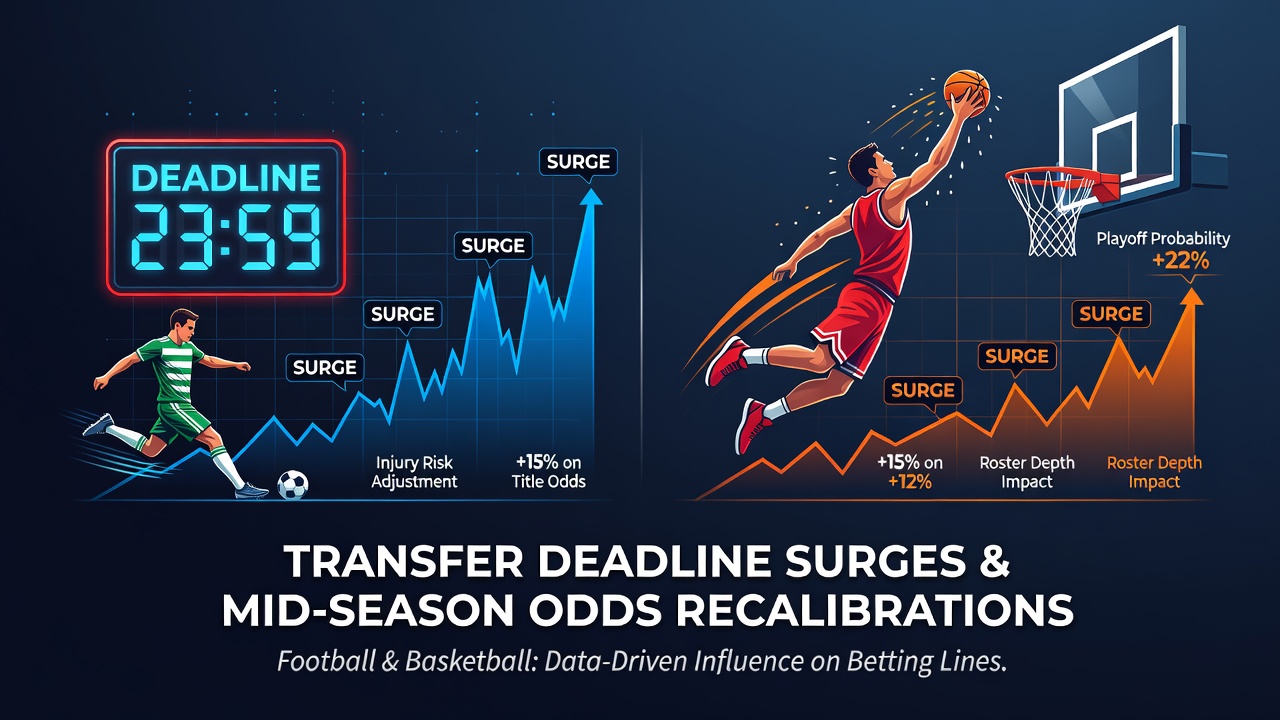
Transfer windows create concentrated periods of roster movement that directly influence how bookmakers adjust mid-season odds across soccer and basketball, and observers note these surges often lead to rapid recalibrations in spreads, totals, and player props. Data from major European leagues shows that activity peaks in the final days of windows, with clubs completing deals that alter team compositions and projected outcomes in ways that force immediate market responses.
Patterns in Soccer Transfer Activity
Soccer leagues operate with fixed windows, including the summer period that closes at the end of August and the January window that runs for one month, and researchers tracking Premier League, La Liga, and Serie A activity find that clubs finalize over 60 percent of mid-season signings in the last 72 hours before deadlines close. These late moves, whether permanent transfers or loans, introduce new variables into team lineups that betting operators monitor through performance models and injury reports, leading to adjustments in match odds within hours of announcements.
One study of the 2025-2026 season revealed that teams acquiring key midfielders or forwards during the January window experienced average shifts of 0.4 goals in expected totals for subsequent fixtures, according to figures compiled by European sports data providers. Bookmakers respond by tightening or widening lines on both team totals and individual goalscorer props, while accumulators incorporating those sides see correlated changes across multiple matches.
Basketball Trade Deadline Effects
The NBA trade deadline, typically set in February, produces similar recalibrations though on a compressed timeline compared to soccer windows, and analysts reviewing historical data note that teams acquiring rotation players or stars see immediate line movements of 1.5 to 3 points in spread markets for upcoming games. Roster additions affect pace projections and defensive metrics, which in turn influence over-under totals in ways that require operators to update models before the next slate of games.
Records from the 2025-2026 campaign indicate that post-deadline games involving teams with new acquisitions showed increased volatility in live betting lines, particularly during the first two weeks after trades finalize. This pattern emerges because player integration timelines vary, prompting oddsmakers to incorporate statistical adjustments based on minutes distribution and matchup histories rather than relying solely on pre-deadline form.
Market Recalibration Mechanisms
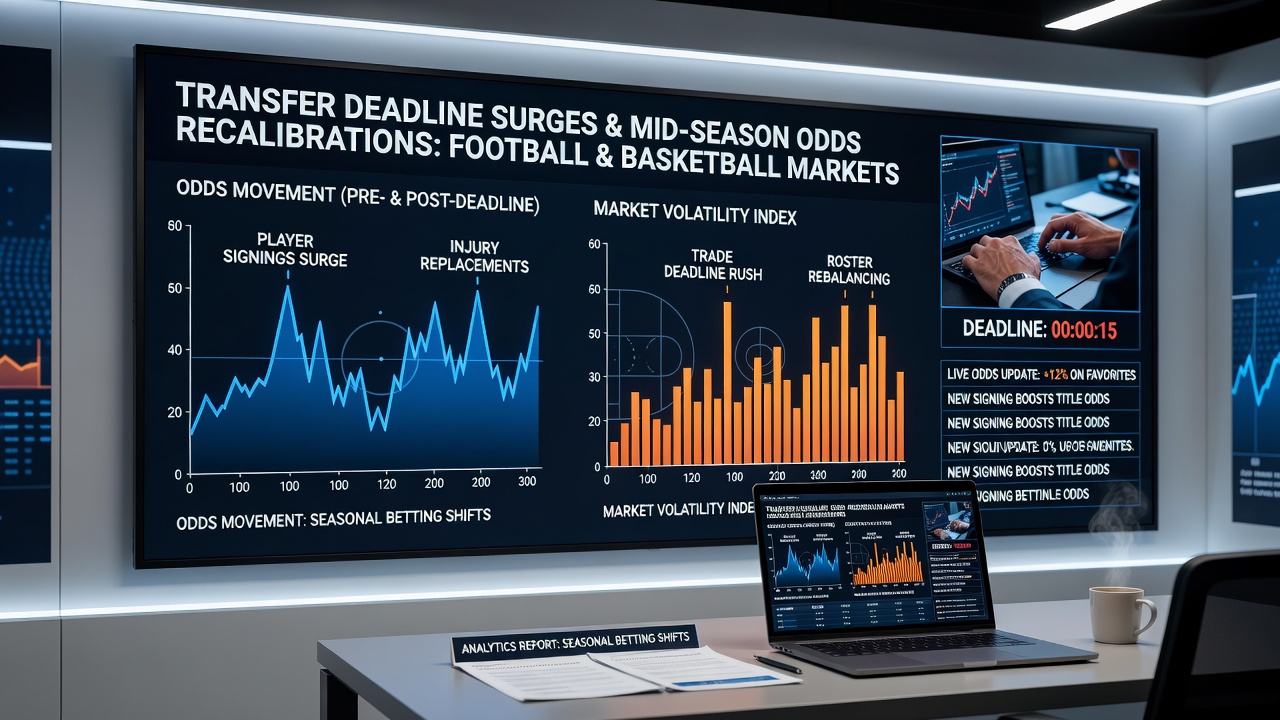
Betting platforms employ algorithmic systems that ingest transfer news alongside performance metrics, and these systems trigger recalibrations when new roster data alters projected win probabilities by more than a set threshold. In both soccer and basketball, the process involves cross-referencing player tracking data with historical contributions from similar acquisitions, which allows operators to revise odds before public betting volume surges around affected matches.
Figures from industry reports highlight that transfer-related line movements occur most frequently in the 24 to 48 hours following announcements, with soccer markets often seeing adjustments to both pre-match and in-play options while basketball sees heavier emphasis on player prop updates. Those who monitor these shifts note that correlated markets, such as corner totals in soccer or rebound props in basketball, frequently move in tandem because new signings influence multiple statistical categories simultaneously.
Examples from Recent Seasons
Take the case where a Premier League side signed two defensive reinforcements on deadline day in January 2026, after which expected goals against dropped in models for their next five fixtures, prompting operators to adjust under lines accordingly. In parallel, an NBA team that traded for a stretch forward ahead of the February deadline saw its projected pace increase, which shifted over totals upward across a three-game homestand according to betting exchange records.
Another instance involved a La Liga club loaning in a creative midfielder whose arrival correlated with higher corner rates in early matches, leading to recalibrated accumulator values that incorporated those sides. Observers tracking these developments point out that the speed of adjustment depends on the volume of incoming data, with major signings generating faster market responses than peripheral additions.
Conclusion
Transfer deadline activity continues to serve as a catalyst for mid-season odds adjustments in both soccer and basketball, driven by the need to incorporate fresh roster information into betting models. Data from multiple seasons demonstrates consistent patterns of line movement tied to these windows, and operators maintain systems designed to respond as new deals finalize. The interplay between player acquisitions and market recalibrations remains a core feature of how betting lines evolve during active seasons across these sports.