Contract Year Surges: Mapping Statistical Deviations in Player Output and Resulting Adjustments to Multi-Sport Wager Lines
Amir Berger · Jun 26, 2026
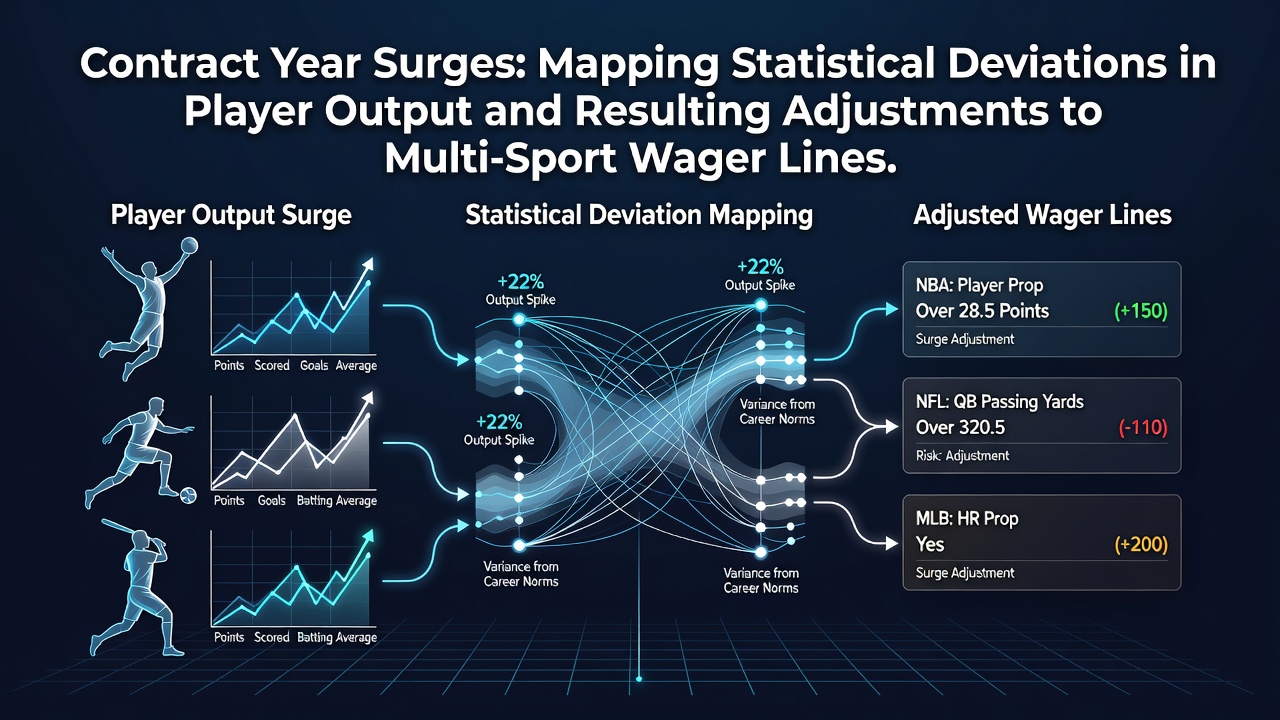
Contract Year Surges: Mapping Statistical Deviations in Player Output and Resulting Adjustments to Multi-Sport Wager Lines
Contract year surges refer to measurable increases in player output during the final season of an existing deal, when athletes seek new contracts or extensions, and researchers have documented these patterns across multiple sports through performance metrics that deviate from established baselines. Data from league tracking systems reveals that NBA players often post higher points per game, rebounds, and efficiency ratings in those seasons, while similar deviations appear in NFL rushing yards, completion percentages, and soccer goal contributions plus pass accuracy.
Identifying Statistical Deviations Across Leagues
Analysts compile historical data from official league sources to isolate contract-year effects, and studies show average increases of 8 to 15 percent in key production categories for players entering free agency the following offseason. In the NBA, for instance, perimeter scorers frequently exceed their prior three-year averages in true shooting percentage during these windows, whereas big men demonstrate elevated rebound rates and block numbers that alter team possession metrics. Soccer forwards in major European leagues record goal tallies that surpass seasonal projections by similar margins, and midfielders log more progressive passes when motivated by upcoming negotiations.
These deviations create ripple effects because they shift expected value calculations that sportsbooks rely on when setting totals and player prop lines. Observers note that raw box-score spikes do not always translate linearly into team wins, yet the volume of individual statistical inflation forces oddsmakers to recalibrate spreads and over-under thresholds before each slate of games.
How Books Adjust Multi-Sport Wager Lines
Betting operators integrate contract-year indicators into their models by weighting recent performance data against long-term player profiles, and the result appears in adjusted moneylines plus point spreads that account for elevated usage rates. In June 2026, as NBA free-agency rumors intensify around unrestricted players, sportsbooks have already moved several June playoff prop markets by fractions of a point to reflect documented output surges in earlier rounds. NFL futures markets follow the same pattern once training-camp depth charts solidify and agents begin public contract discussions.
Multi-sport accumulators require further calibration because a single contract-year outlier in one league can skew correlated bets across basketball, football, and soccer fixtures scheduled on the same day. Linesmakers therefore apply cross-league filters that dampen the impact of isolated statistical spikes while preserving the integrity of parlay payouts.
Case Patterns in Recent Seasons
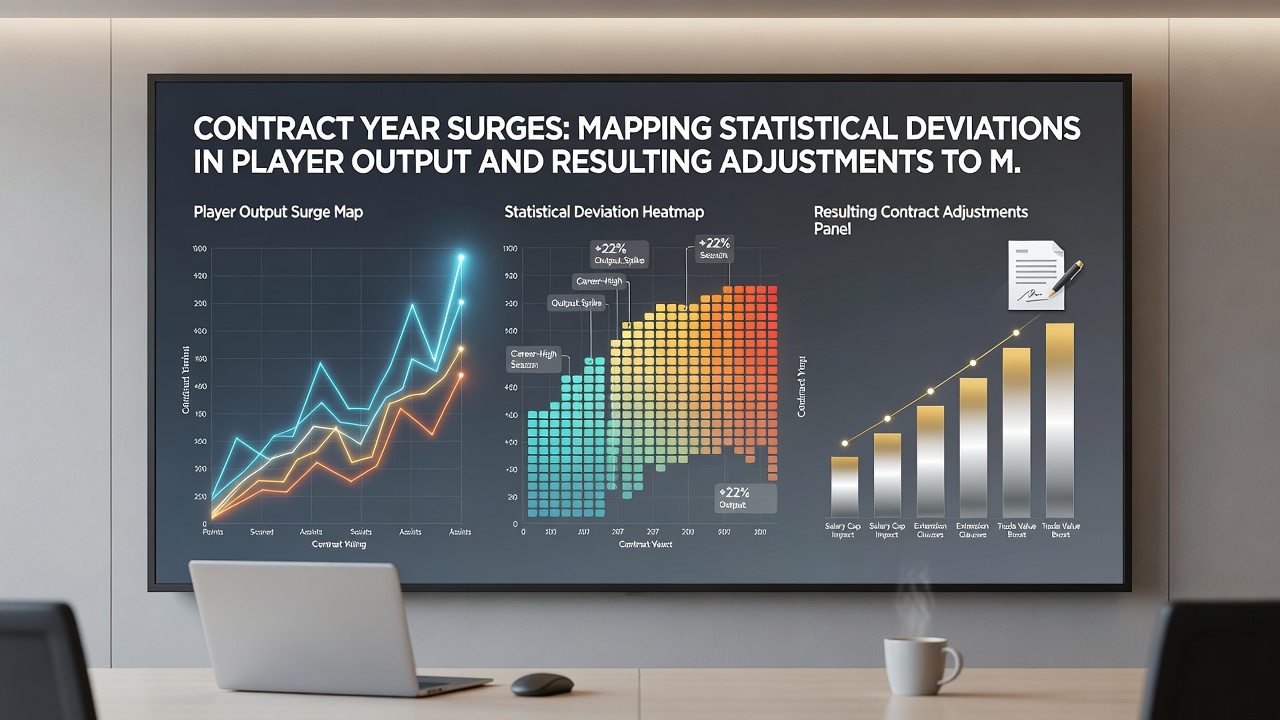
Take one forward in a top-five European soccer league who increased his expected-goal differential by 22 percent in the final year of his deal, and the corresponding over lines on his shot attempts moved from +115 to -130 within two weeks of the surge becoming statistically significant. In the NFL, a running back posted career-high yards-after-contact numbers during his walk year, prompting sportsbooks to raise his rushing prop ceilings across the first six weeks of the season before regression set in. NBA examples include guards whose assist-to-turnover ratios climbed sharply, prompting mid-season adjustments to team total lines in games where those players received elevated minutes.
Researchers at academic institutions have published peer-reviewed examinations of these patterns, and their findings indicate that the effect size varies by sport and position yet remains directionally consistent across large sample sizes collected over multiple decades.
Implications for Bettors and Market Efficiency
Market participants who track contract status alongside traditional stats gain access to secondary signals that sometimes precede line movement, yet books have narrowed the window by incorporating agent reports and social-media indicators into real-time pricing engines. The result is tighter hold percentages on player props tied to contract-year candidates, according to data released by the Nevada Gaming Control Board.
Those who study these markets observe that early-season surges produce the largest line adjustments, while late-season data often reflects fatigue or strategic rest that offsets the initial statistical bump. Consequently, futures markets in June 2026 already embed modest premiums for players whose contracts expire after the following campaign.
Conclusion
Contract-year statistical deviations remain a quantifiable factor that influences wager construction across NBA, NFL, and soccer betting markets, and operators continue to refine their models to capture these shifts without overreacting to temporary spikes. As additional seasons of granular tracking data accumulate, the precision of line adjustments will likely improve further, providing clearer signals for both professional and recreational bettors who monitor player contract timelines.